Looking long term RV Park Utah The right park comes down to location, amenities that actually hold up over weeks and months, a community you don’t mind waking up next to, honest pricing, and clear pet policies. Get those five right and an extended stay feels like settling in. Get even one wrong and you’ll notice it every single day you’re there. Below, we break down what to actually look for and why it matters, based on what we hear from guests who’ve done this before.
Why Does Choosing the Right Park Matter So Much for Extended Stays?
A rough weekend trip is easy to shake off. A rough month is not. When you’re living somewhere for weeks at a time, small annoyances stop being small. Spotty Wi-Fi, a noisy neighbor, an electric hookup that trips every other night, a manager who never picks up the phone… none of that ruins a two night stay, but all of it wears on you over thirty days.
Industry surveys on RV lifestyle trends have found that more than half of long term RVers name reliable utilities and internet access among their top three factors when picking a park for stays past thirty days. That tracks with what we see too. Comfort and connection aren’t extras anymore. They’re the baseline people expect, and honestly, they should be.
What Should You Look for in a Long Term RV Park Utah Location?
Utah gives you red rock canyons, quiet high desert mornings, and a real range of seasons depending on where you land. Before you book anything, walk through this list:
- Proximity to essentials: groceries, a pharmacy, and medical care within a short drive
- Climate fit for your season: warmer winters in the south, cooler summers up north
- Access to the outdoors: trails, water, or a national park entrance nearby
- Noise levels: a site set back from the highway makes a real difference by week two
- Cell signal and internet: non negotiable if you work remotely or just want to video call your family
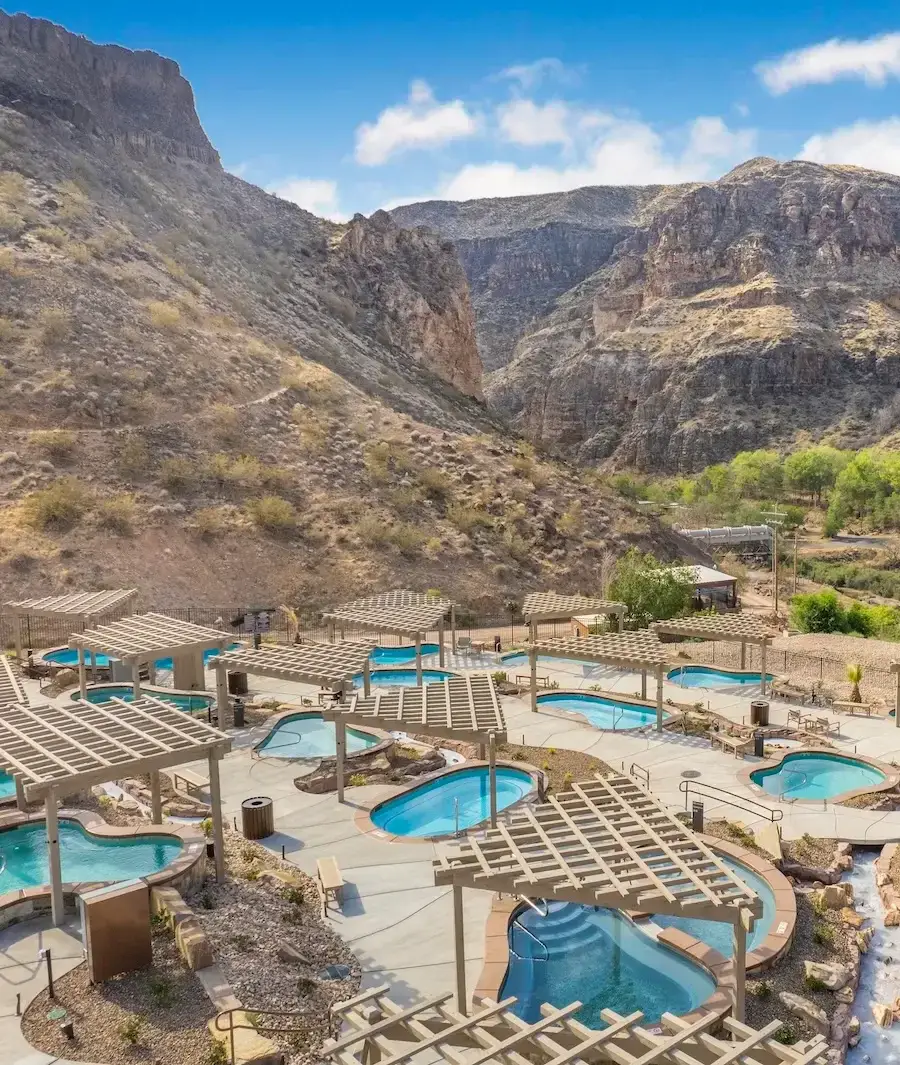
If red rock views and mild winters are what you’re after, a Southern Utah RV Resort setting tends to give extended stay guests the best mix of climate comfort and year round outdoor access. It’s the reason so many guests keep coming back to the same region season after season.
How Do You Evaluate Amenities for a Month or More?
Things that feel optional on a weekend trip become the stuff you build your day around when you’re staying longer. Here’s how we’d rank it:
- Full hookups: water, sewer, and 50 amp electric should come standard, not tacked on as an upgrade
- Laundry on site: it saves you the hassle of hunting down a laundromat every week
- Clean restrooms and showers: a small detail that says a lot about how a park is actually run
- Common areas: a clubhouse, pool, or fire pit gives you a reason to step outside your rig
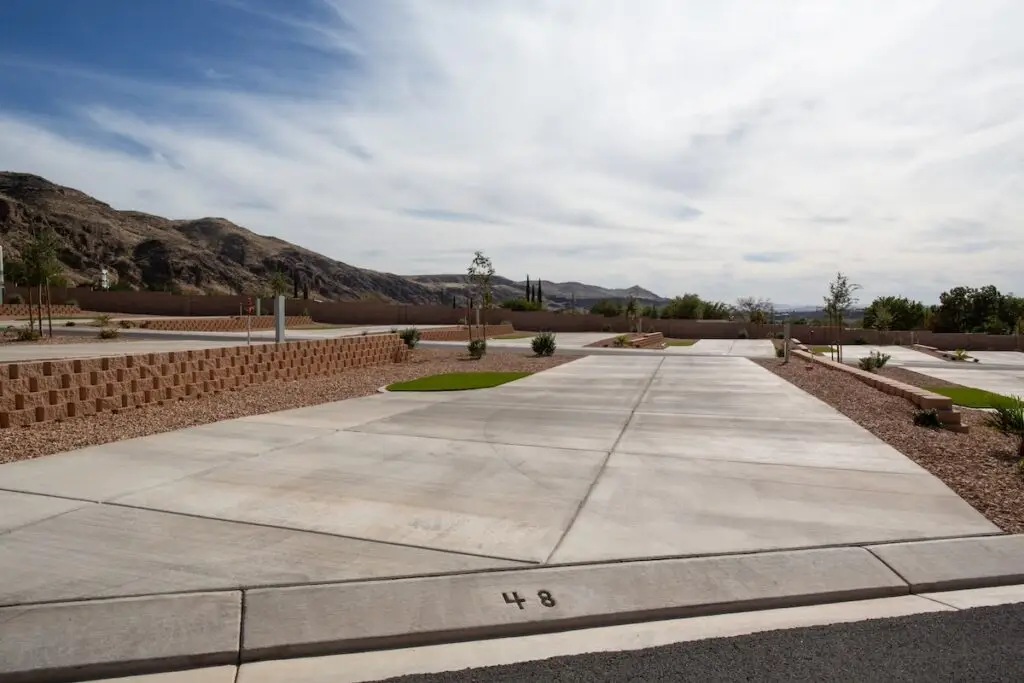
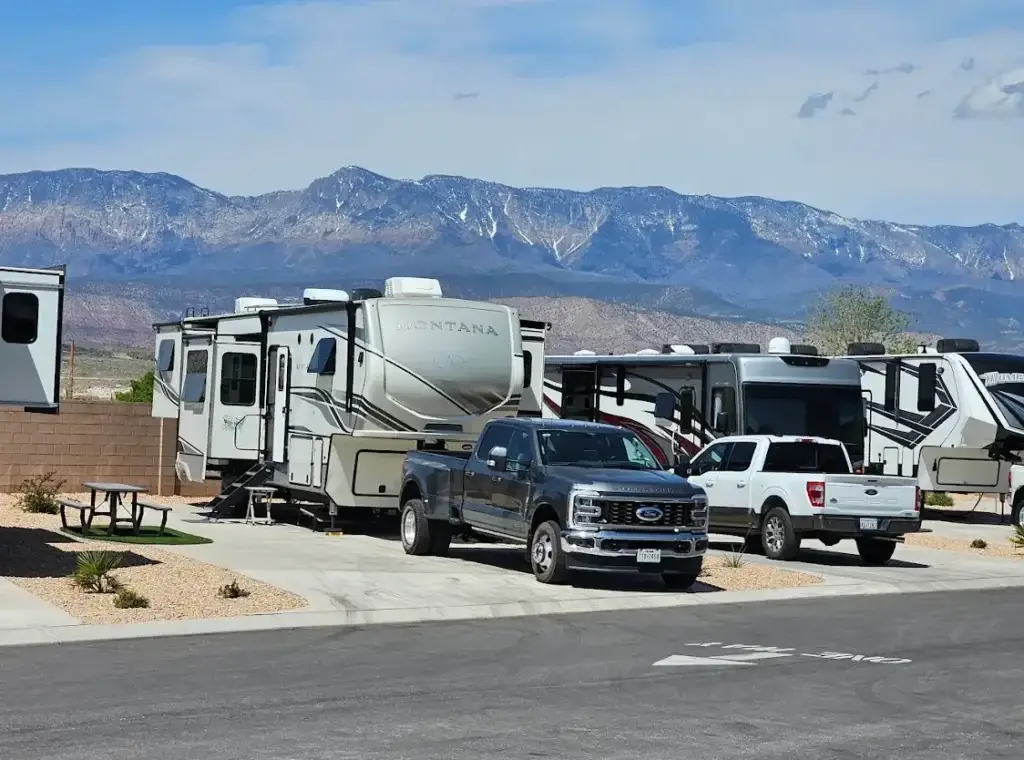
- Site spacing: more room between neighbors matters more than people expect once you’re settled in for a while
- Storage or workshop access: handy if you tinker, fix things, or just need somewhere to put your gear
What Role Does Community Play in a Long Stay?
This one gets overlooked, and it shouldn’t. A friendly park can turn a stopover into a place you actually miss when you leave. Ask if there are seasonal potlucks, activity groups, or just neighbors who wave when you walk by. Guests who feel some sense of belonging tend to stick around longer, renew their stay, and come back the following year, even when the amenities themselves are pretty modest. People remember how a place made them feel, not just what it had.
Are Pet-Friendly Parks Actually Different?
Yes, and you’ll notice it fast if you’re traveling with a dog or cat. “Pets allowed” on a sign is not the same as a park that’s actually built for pets. A real Pet Friendly RV Park will have dedicated walking areas, waste stations spread around the property, and size or breed policies that are clear before you arrive, not sprung on you after. If you’re bringing a furry travel companion, call ahead and ask about leash rules and off leash areas so there’s no awkward surprise once you’ve already unhitched.
How Should You Compare Pricing and Contract Terms?
Long term rates usually beat nightly pricing, but the fine print matters just as much as the number on the page. Use this table before you sign anything:
| Factor | What to Ask | Why It Matters |
| Monthly rate | Flat rate or does it shift by season? | Keeps your budget from getting ambushed mid stay |
| Utility billing | Included or metered separately? | Metered electric can climb fast in extreme heat or cold |
| Minimum stay | Thirty, sixty, or ninety days? | Affects how much flexibility you actually have |
| Deposit and refunds | Refundable, and under what terms? | Protects the money you put down upfront |
| Cancellation notice | How many days notice is required? | Keeps you from eating a fee over a schedule change |
| Site assignment | Fixed spot or subject to change? | A fixed site means fewer disruptions while you’re settled in |
Get the answers to these in writing. It takes five minutes and saves you a headache later.
What Questions Should You Ask Before Booking?
Before you commit, pick up the phone and ask:
- What’s included in the monthly rate and what gets billed separately
- How mail is handled for guests staying long term
- Whether there’s a manager on site every day, not just during business hours
- How crowded the park gets during peak season
- Whether quiet hours are actually enforced, not just posted
A park that answers all of this without hesitation is usually one that treats long term guests like residents, not just extra traffic passing through.
Conclusion
Picking where you’ll spend the next few weeks or months isn’t something to rush through. The right park gives you dependable utilities, neighbors worth knowing, pricing you can actually plan around, and a setting that fits the season ahead of you. Ask the direct questions, get the terms in writing, and if you can, see the place in person before you sign anything.
If you’re ready to find somewhere that feels like home for your extended stay, we’d love to walk you through availability, monthly rates, and everything else you’ll want to know before you pull in. Contact us today and let’s figure out the right fit for you.
FAQ:
1. How much does a long term RV park in Utah typically cost per month?
Monthly rates vary by season and location, but long term stays almost always cost less per night than short term bookings. Ask whether utilities are included or billed separately, since that can shift your total more than the base rate does.
2. What is considered a long term stay at an RV park?
Most parks define long term as thirty days or more, with some offering separate pricing tiers for sixty and ninety day stays. Minimum stay requirements can affect flexibility, so it’s worth confirming before booking.
3. Do RV parks in Utah allow pets?
Many do, but policies vary widely. A genuinely pet friendly park will have designated walking areas, waste stations, and clear size or breed guidelines listed upfront rather than restrictions you discover after arrival.
4. Is it better to book a fixed site for an extended RV stay?
Yes, in most cases. A fixed site means you won’t be moved partway through your stay, which matters more than people expect once you’ve settled into a routine, hooked up utilities, and gotten comfortable with your neighbors.
5. What should I ask before signing a long term RV park contract?
Ask about the cancellation policy, deposit terms, whether the monthly rate can change seasonally, and how utilities are billed. Getting these answers in writing upfront prevents disputes later in your stay.