The best time to visit Zion National Park is spring (April and early May) and fall (late September through early November). Days are warm but not scorching, most trails are open, and fall brings a noticeable drop in crowds by November. Summer is the busiest and hottest season, with highs often over 100°F and flash flood risk from July to September. Winter is the quietest and cheapest time to go, but expect cold mornings and icy shaded trails. Wherever you land on the calendar, book lodging early for spring and fall, and consider staying in La Verkin or Hurricane, about 20 minutes from the park, for more space, easier parking and better rates than Springdale,
Zion is open every day of the year, so there’s no wrong time to go. There is, however, a right time for you, depending on what you want to hike, how you feel about heat and crowds, and who’s coming along. Here’s what each season actually looks like, and where it makes the most sense to stay.
Zion National Park Seasons at a Glance
| Season | Months | Weather | Crowds | Best For |
|---|---|---|---|---|
| Spring | Mar–Apr | Warm days, cold nights | Rising fast | Hiking, wildflowers, photography |
| Summer | May–Sept | Hot, often 100°F+ | Peak | The Narrows, long days, family vacations |
| Fall | Oct–Nov | Mild, big day-night swings | Busy in October, lighter in November | Hiking, fall color, comfortable temps |
| Winter | Dec–Feb | Cold, wet, sometimes icy | Lowest | Solitude, budget trips, driving the scenic drive |
The National Park Service splits Zion’s year this way, and it’s worth knowing that “summer” here starts in May. By late May, the canyon floor already feels like summer.
How Busy Is Zion Each Month?
According to the National Park Service, 65% of visitors arrive between April and September. June and July are the busiest months, each averaging around 555,000 visitors. January and February are the quietest, with roughly 130,000 to 140,000 each.
A few things surprise people:
- March isn’t quiet. Spring break nearly triples visitation from February to March.
- October is just as busy as September. Fall is popular for good reason, so don’t expect empty trails until November.
- November is the sweet spot for crowds. Visitation drops by about 40% from October, while the weather is often still pleasant.
Visiting Zion in Spring (March–April)
What to Expect
Spring is when Zion wakes up. Cottonwoods leaf out along the Virgin River, waterfalls run after snowmelt, and daytime temperatures are comfortable for long hikes. Nights are still cold, though. The park notes that temperatures can swing 30°F or more between afternoon and early morning, so pack layers.
The full-time shuttle returns in spring, which means you’ll ride it to reach Zion Canyon Scenic Drive and most of the popular trailheads.
The one catch: the Narrows often closes in spring. When snowmelt pushes the river above 150 cubic feet per second, the route closes to all hikers. In wet years, that can last weeks. If the Narrows is your top priority, spring is a gamble.
Where to Stay in Spring
Spring is peak booking season, especially around spring break and Easter. Springdale hotels fill up early and charge their highest rates. Staying a short drive away in La Verkin or Hurricane gives you more choice and more room, and you can still reach the park entrance in about 20 minutes.
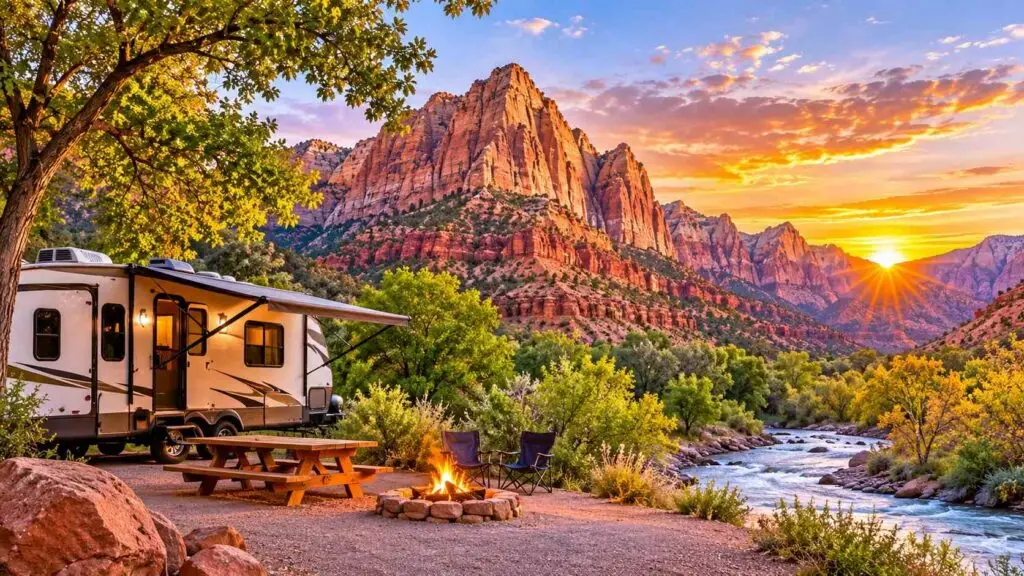
Spring weather is ideal for an RV stay, since you won’t need to run the AC all day. If you’re traveling without an RV, a private casita with a covered porch is a comfortable middle ground between a hotel room and camping, and you get to enjoy the cool evenings outside.
Visiting Zion in Summer (May–September)
What to Expect
Summer is Zion’s busiest season. The park expects around half a million visitors a month, with parking lots often full by 9 a.m. and holiday weekends like Memorial Day, the Fourth of July and Labor Day the most crowded of all.
It’s also hot. Temperatures regularly top 100°F on the canyon floor, and heat illness is a real risk on exposed trails. The smart summer plan is to hike early, rest in the afternoon and head back out for sunset.
From July through September, monsoon season brings afternoon thunderstorms and a higher chance of flash floods, especially in slot canyons and the Narrows. Always check the forecast and the flash flood rating at the visitor center before heading into narrow canyons.
The good news? Summer is usually the best time to hike the Narrows. The water is lower and warmer, and wading upstream through the canyon is a welcome way to beat the heat.
Where to Stay in Summer
In summer, air conditioning matters as much as location. Look for lodging where you can actually cool down between morning hikes and evening outings. Every casita at Gateway has its own AC, and the resort pool gives kids something to look forward to after a hot morning on the trail.
Parking in Springdale is limited and paid in summer, so many visitors stay outside town and either drive in early or park and ride the free Springdale shuttle. Our guide to RV camping vs. hotel stays breaks down which option holds up better in the summer heat.
Visiting Zion in Fall (October–November)
What to Expect
Fall is many locals’ favorite season, and it’s easy to see why. Temperatures cool down enough for all-day hiking, the light turns golden in the afternoon, and cottonwoods along the river change color. The park says fall color reaches Zion Canyon around late October or early November, starting first at higher elevations like Kolob Terrace.
The shuttle still runs, though less often and for fewer hours. October remains busy, but by November the crowds thin out noticeably. Days are shorter, so start early if you’re planning a long hike.
The Narrows is still open in early fall and the weather is more stable than in summer, though the water gets colder as the weeks go on.
Where to Stay in Fall
Book fall stays as early as you would for spring, especially for October weekends. Mornings can be chilly, so lodging with heat and a hot tub makes a real difference. Fall is also the perfect season to explore beyond the main canyon, with slot canyons across Southern Utah and a stop at Zion Vineyards within easy reach of La Verkin.
Visiting Zion in Winter (December–February)
What to Expect
Winter is Zion’s quiet season. Highs usually sit in the 50s, and lows fall below freezing at night. Nearly half of the canyon’s yearly rain and snow falls between December and March, and a dusting of snow on the red cliffs is one of the most beautiful sights in the park.
There are trade-offs. Shaded trails can be icy, and the park recommends traction devices for your boots. Falling ice can temporarily close some trails. The Narrows is extremely cold and usually requires a drysuit. Kolob Terrace Road and Kolob Canyons can close during storms.
One bonus: the shuttle typically runs only during the holiday weeks. The rest of the winter, you can usually drive Zion Canyon Scenic Drive in your own car, which is a rare treat.
Where to Stay in Winter
Winter is the best season for value. Lodging rates drop, availability opens up and you can often book with short notice. A heated casita with a full private bathroom is far more comfortable than a tent or a basic motel when overnight temperatures drop below freezing, and the hot tub is a great way to end a cold day on the trail.
If you’re an RVer, winter in La Verkin is mild compared with most of the country, which is why many travelers come for longer stays. Check our luxury RV sites for full hook-up options.
So, When Is the Best Time to Visit Zion for You?
The right answer depends on what you’re coming for:
-
For hiking: April and late October to early November offer the most comfortable trail temperatures.
-
For the Narrows: Late June through September, outside of flash flood warnings, when the water is lower and warmer.
-
For fewer crowds: November, December, January and February.
-
For families with school-age kids: Summer works if you hike early and plan downtime. Spring break is popular but crowded.
-
For photography: Late fall for color, winter for snow on the cliffs.
-
For the best value: Winter, when lodging is cheapest and easiest to book.
Planning to hike Angels Landing? A permit is required year-round, through either a seasonal lottery or a day-before lottery. Apply well ahead of your visit no matter the season.
Where to Stay Near Zion: Comparing Your Options
Inside the Park: Zion Lodge
Zion Lodge is the only lodging inside the park. Its location is unbeatable, but rooms are limited and often book up many months ahead for spring through fall.
Springdale
Springdale sits right at the south entrance. It’s walkable and close to restaurants, but it’s also the most expensive and crowded place to stay, and parking is tight from spring through fall.
La Verkin and Hurricane
These towns sit about 20 minutes from Zion’s south entrance along SR-9. You trade a short drive for more space, lower rates, free parking and quieter nights. It’s also a convenient base if you want to add day trips to St. George, Sand Hollow or Kolob Canyons.
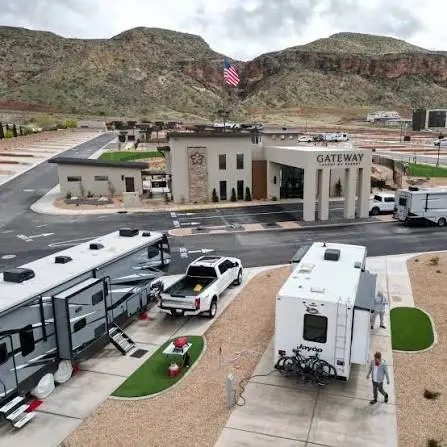
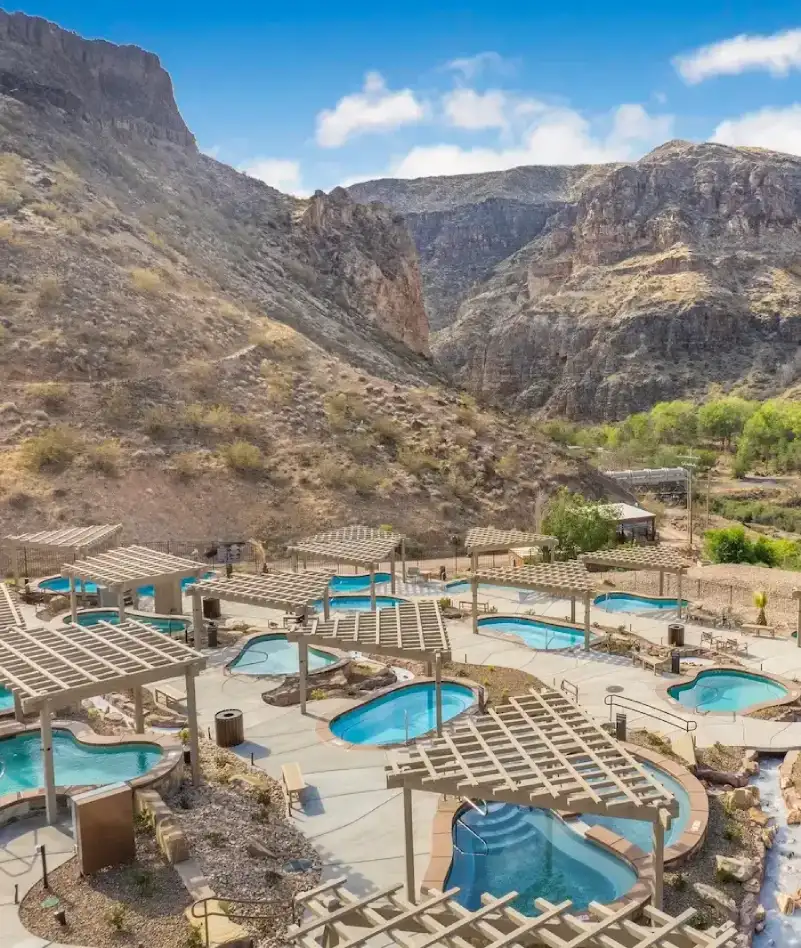
Gateway Luxury RV Resort & Casitas in La Verkin offers private 516-square-foot casitas that sleep up to five, with a kitchenette, a full bathroom, heat and AC, and a covered porch. If you’re traveling by RV, the resort has 81 full hook-up sites, plus a pool, hot tub, pickleball courts and a dog park.
Tips for Booking Zion Lodging in Any Season
-
Book spring and fall early. These are the most popular seasons, and the best options go first.
-
Check the cancellation policy. Weather and road closures can change plans, so flexible bookings are worth a little extra peace of mind.
-
Watch for hidden fees. Cleaning and resort fees can add up fast at vacation rentals. Gateway lists no cleaning fee or resort fee on casita stays.
-
Think about your daily drive. A 20-minute drive with free parking is often faster than circling Springdale for a spot.
-
Bring your pet? Only some lodging allows pets. Check the resort policies before you book.
Frequently Asked Questions
What is the best month to visit Zion National Park?
April is often considered the best single month, with mild weather and plenty of daylight. November is a close second if you want cooler temperatures and fewer people.
What is the worst time to visit Zion?
There’s no truly bad time, but July and August combine extreme heat, peak crowds and monsoon flash flood risk. If you go then, hike early and check weather conditions daily.
Is Zion worth visiting in winter?
Yes. Winter offers quiet trails, lower lodging rates and the chance to see snow on the canyon walls. Pack warm layers and traction devices for icy trails.
How far in advance should I book lodging near Zion?
For spring and fall, book three to six months ahead, especially for weekends and holidays. Summer and winter usually offer more flexibility, though holiday weeks fill fast year-round.
Can you drive through Zion National Park?
You can always drive the Zion–Mount Carmel Highway (SR-9) through the park. Zion Canyon Scenic Drive is closed to private vehicles whenever the shuttle is running, which is most of the year.
Plan Your Zion Trip Around the Season That Fits You
Every season in Zion has its own personality. Spring brings flowing water and new green, summer brings long days in the Narrows, fall brings color and cooler trails, and winter brings quiet and snow-dusted cliffs. Pick the season that matches your plans, then choose a base that makes each day easier.
When you’re ready, check our current rates, browse the best activities in Zion National Park or contact our team to plan your stay.