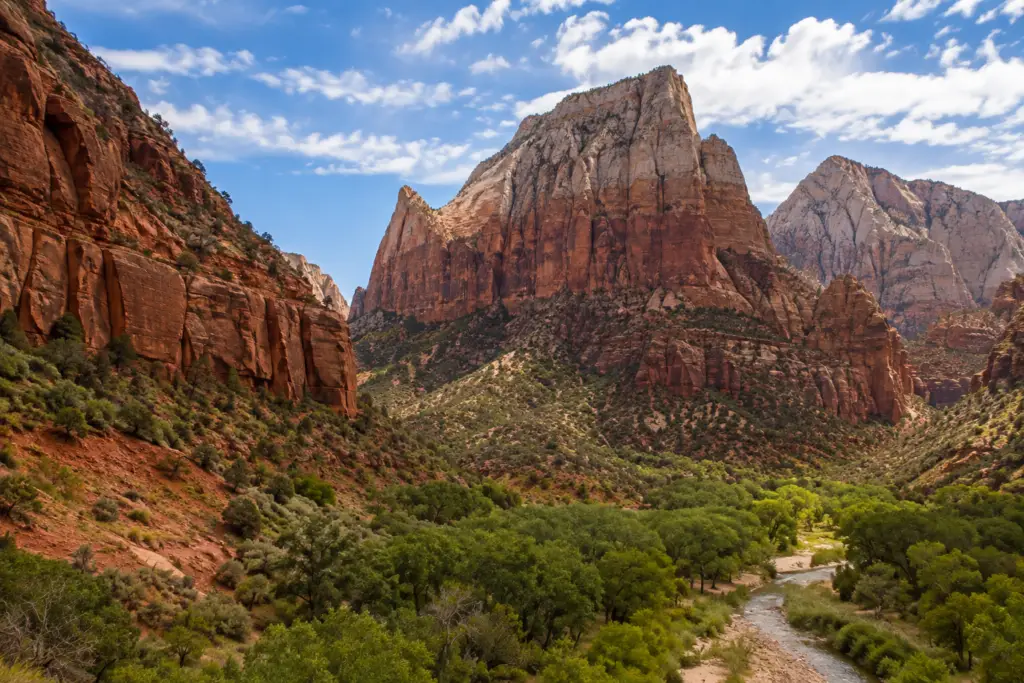

The drive from Las Vegas to Zion National Park covers approximately 160 miles through some of the most dramatic landscape transitions in the American Southwest, taking you from the neon-lit desert of southern Nevada to the towering sandstone cliffs of southern Utah in just 2.5 to 3 hours. This vegas to zion route ranks among the most accessible national park road trips in the country, making it ideal for both spontaneous day trips and extended wilderness adventures.
This guide covers everything you need to plan your journey: optimal route options, timing strategies, cost breakdowns, essential scenic stops, and practical tips for navigating Zion Canyon once you arrive. Whether you’re a first-time visitor seeking stunning views of the Virgin River Gorge, a family planning a memorable road trip, or an outdoor enthusiast eager to tackle famous hikes like Angels Landing, this resource addresses your specific planning needs.
The direct answer: Take I-15 North from Las Vegas to reach Zion National Park in approximately 2 hours and 40 minutes without stops, passing through Mesquite, Nevada, and St. George, Utah, before arriving at Springdale—the charming town serving as Zion’s primary gateway.
By the end of this guide, you’ll understand:
- The fastest direct route versus scenic alternatives through Valley of Fire State Park
- Optimal departure times to avoid crowds and maximize park time
- Complete cost breakdown including entrance fees, gas, and accommodations
- Strategic stops that enhance your journey without adding excessive time
- Insider tips for parking, shuttles, and weather conditions
Understanding the Las Vegas to Zion Journey
The vegas to zion national park route represents a remarkable geographic transition, carrying travelers from the Mojave Desert’s sparse vegetation and flat expanses into Utah’s red rock country, where ancient geological forces have sculpted one of Earth’s most visually striking landscapes. This natural progression—from Las Vegas Boulevard’s urban energy to Zion Canyon’s spiritual solitude—explains why millions of visitors make this pilgrimage annually.
Distance and Drive Time Fundamentals
The primary route via I-15 North covers 160 miles (approximately 257 kilometers), though you’ll encounter slight variations—150 to 155 miles—depending on your exact starting point in Las Vegas and whether you’re measuring to Springdale or the park entrance itself. Under normal conditions, expect the drive to take 2.5 to 3 hours without stops.
Several factors affect your actual travel time:
- Traffic patterns: Outbound Las Vegas traffic can add 30+ minutes during peak hours or holiday weekends
- Road conditions: Construction zones and weather conditions occasionally slow progress
- Time difference: Utah operates on Mountain Time, one hour ahead of Nevada’s Pacific Time during most of the year, which affects your arrival calculations
Route Options Overview
The direct route via I-15 North offers maximum efficiency, following well-maintained interstate highways through the Virgin River Gorge before transitioning to state highways approaching Zion. This scenic drive reveals increasingly dramatic desert views as you travel northeast.
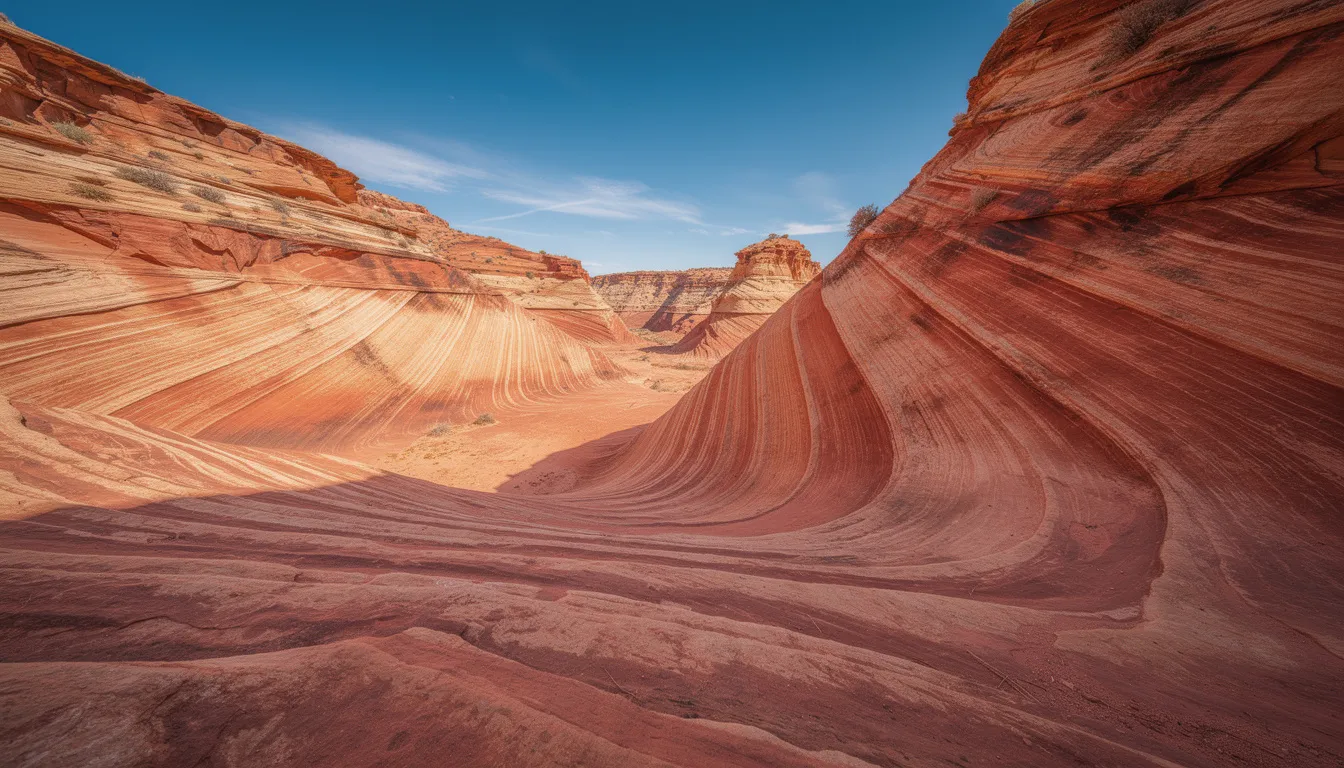
The scenic route through Valley of Fire State Park adds approximately 30-45 minutes and 20 extra miles but rewards travelers with ancient petroglyphs, swirling Aztec sandstone formations, and short hikes through Nevada’s largest state park. This flexible option suits travelers who prefer exploring at their own pace rather than rushing to a single destination.
Your route choice should align with your goals: prioritize the direct route for maximizing time at Zion, or embrace the scenic route when the journey itself matters as much as the destination.
Planning Your Vegas to Zion Trip
With the basic distance and route understanding established, successful trip planning requires addressing timing, transportation, and budget considerations before you hit the road.
Best Times to Make the Drive
Seasonal considerations significantly impact your experience. Peak season runs from March through October, bringing warm weather ideal for hiking but also larger crowds at all the parks. Summer temperatures in Zion Canyon can exceed 100°F, while the higher elevation rim areas offer cooler temperatures. Winter visits mean fewer crowds but potential snow and occasional road closures.
Optimal departure times from Las Vegas dramatically affect your park experience:
- 6:00-7:00 AM departures get you to Zion by 9:00 AM, ahead of midday crowds
- 10:00 AM-2:00 PM departures often encounter the least highway traffic but arrive during peak park congestion
- Early morning drives allow full utilization of daylight for longer hikes and photography
Transportation Options
Car rental provides the most flexible option for this road trip, with major agencies located throughout Las Vegas and near the airport. Rental vehicles allow you to explore the surrounding area, stop at overlooks, and travel at your own pace. For the 320-mile round trip, choose a fuel-efficient vehicle to minimize costs.
Shuttle services and guided tours operate from Las Vegas, typically offering full-day excursions that handle all logistics. These work well for visitors uncomfortable with desert driving or those preferring expert narration, though they limit flexibility.
Bus service options exist for budget-conscious travelers, though schedules can be limited and total travel time significantly longer.
Cost Breakdown and Budgeting
Understanding total costs helps you plan an appropriate budget:
| Expense Category | Cost Range | Notes |
|---|---|---|
| Park entrance fee | $35 per vehicle | Valid for 7 days |
| Annual pass | $70 | Covers all national parks for 12 months |
| Gas (round trip) | $40-60 | Based on 320 miles, varies by vehicle |
| Valley of Fire entry | $15 per vehicle | Optional scenic stop |
| Springdale lodging | $150-300/night | Peak season rates; book early |
| Gear rentals | $40-80 | For Narrows water hiking equipment |
Budget travelers who prefer camping can find sites in the park and surrounding area, though reservations during peak season often book months in advance.
The Complete Route and Scenic Stops
Maximizing your vegas to zion journey means knowing exactly where you’re going and which stops deliver the best value for your time investment.
Primary Route: I-15 North Direct Path
Follow this sequence for the most efficient drive:
- Depart Las Vegas heading northeast on I-15 North, leaving the southern Nevada desert behind
- Mile 40-50: Pass through Mesquite, Nevada—your last Nevada fuel stop with reasonable prices
- Mile 50-80: Enter the Virgin River Gorge, a beautiful pass carved through Arizona’s northwest corner, featuring towering cliffs and incredible views
- Mile 80-120: Cross into Utah and continue toward St. George, the last major city before Zion
- Mile 120-155: Take Exit 16 onto UT-9 East, passing through Hurricane and the charming town of Springdale
- Mile 155-160: Arrive at the park entrance or visitor center
Fuel stations appear regularly along I-15, but options become limited after St. George. Fill up and grab last minute supplies before the final stretch.
Scenic Alternative: Valley of Fire Route
For travelers with extra time, this routing delivers extraordinary desert scenery:
Depart Las Vegas via I-15 North, then exit onto Lake Mead Boulevard/NV-169 toward Valley of Fire State Park. This Nevada state park showcases fire-red rock formations dating back 150 million years, including the famous Fire Wave trail and Mouse’s Tank area with ancient petroglyphs.
Allow 2-4 hours at Valley of Fire before continuing north to rejoin I-15 near Mesquite. The additional drive time (30-45 minutes beyond the direct route) rewards you with:
- Swirling Aztec sandstone formations in vivid reds and oranges
- Short hikes through otherworldly landscapes
- Fewer crowds than Zion’s popular hikes
- Photography opportunities rivaling the national park
Essential Stops Comparison
| Stop | Distance from Vegas | Time Required | Highlights |
|---|---|---|---|
| Red Rock Canyon | 20 minutes | 1-3 hours | Scenic drive, Ice Box Canyon hiking trails |
| Valley of Fire State Park | 50 miles | 2-4 hours | Fire Wave trail, petrified trees, ancient petroglyphs |
| Hoover Dam | 45 minutes (south) | 1-2 hours | Engineering marvel, Colorado River views |
| St. George, UT | 120 miles | 30 minutes | Dining, fuel, Snow Canyon State Park nearby |
| Springdale | 155 miles | 1+ hours | Gateway town, free shuttle access, gear rentals |
Snow Canyon State Park and Hollow State Park offer additional hiking options near St. George for travelers extending their southern Utah exploration.
Common Challenges and Solutions
Even well-planned trips encounter obstacles. Here’s how to handle the most frequent issues on the vegas to zion route.
Parking and Crowds at Zion
The Zion Canyon Shuttle operates as mandatory transportation on the scenic drive from March through November, meaning private vehicles cannot access most trailheads during peak season. Arrive before 9:00 AM to secure parking near the visitor center, or use Springdale’s free shuttle system, which connects hotels and restaurants directly to the park entrance.
During peak season, parking lots fill by mid-morning. Alternative strategies include:
- Entering via the east entrance for Observation Point and Canyon Overlook trails
- Visiting popular hikes like Angels Landing and the Riverside Walk on weekday mornings
- Booking accommodations in Springdale within walking distance of shuttle stops
Weather and Seasonal Considerations
Summer heat demands early departures and abundant water—carry at least one gallon per person for strenuous hike activities. The Virgin River canyon floor traps heat, making afternoon temperatures brutal for more hikes.
Winter weather conditions can bring snow to higher elevation areas and occasionally close UT-9 through the park. Check the park website and NPS website for current conditions before departing. Utah sometimes requires chains or snow tires November through March.
Limited Services Between Cities
The stretch between St. George and Springdale offers minimal services. Fuel up in Las Vegas, Mesquite, or St. George before your final approach. Stock water and snacks, especially if taking the scenic route through more remote areas.
Cell service becomes spotty in the Virgin River Gorge and parts of Zion Canyon—download offline maps before leaving Las Vegas.
Conclusion and Next Steps
The 160-mile drive from Las Vegas to Zion National Park delivers one of the American Southwest’s most rewarding road trips, transforming a 2.5-3 hour journey into a gateway experience connecting urban excitement with natural wonder. Whether you choose the direct route for maximum park time or the scenic route through fire state park landscapes, this accessible adventure puts Zion’s towering cliffs, the Virgin River’s carved canyons, and world-class hiking within easy reach.
Take these immediate steps:
- Book Springdale accommodations 2-3 months ahead for peak season visits
- Download offline maps for navigation through areas with limited cell coverage
- Check current weather conditions and shuttle schedules on the official park website
- Apply for Angels Landing permits if planning that strenuous hike
- Pack layers for temperature variations between the Mojave Desert and Zion’s higher elevation
For extended exploration, consider these connected destinations: Bryce Canyon National Park lies just 85 miles northeast of Zion, the Grand Canyon South Rim sits 275 miles south, and Salt Lake City offers access to Utah’s remaining Mighty Five parks. Day trip visitors often return for longer stays after experiencing what visiting Zion offers—this journey from Vegas frequently marks the beginning of a deeper American Southwest adventure.
Additional Resources
- Official Zion National Park website: Current conditions, permit applications, and shuttle schedules
- Recreation.gov: Angels Landing lottery permits and campground reservations
- Utah road conditions: UDOT website for real-time highway updates
- Gas station apps: GasBuddy for comparing fuel prices along your route
- NPS website: Entrance fee information and annual pass purchases
Plan well, depart early, and let the desert views unfold as you make your way to one of America’s most beloved national parks.